








How AI is Reshaping the Future of Work in 2025
Artificial Intelligence is no longer a futuristic concept — it is actively transforming industries, from healthcare to finance. Discover how …
Expert-led programs for college students, fresh grads & working professionals. Get job-ready skills, build portfolio projects, and land your dream role.
We are proudly certified by these organizations

Everything you need for a world-class learning journey

Live interactive sessions with Q&A

1:1 mentor support & doubt clearing

Hands-on projects with feedback

Industry-recognized certification

Letter of recommendation

Flexible learning options

Lifetime access to recorded content

Community & networking access
Browse courses based on your career aspirations and skill level
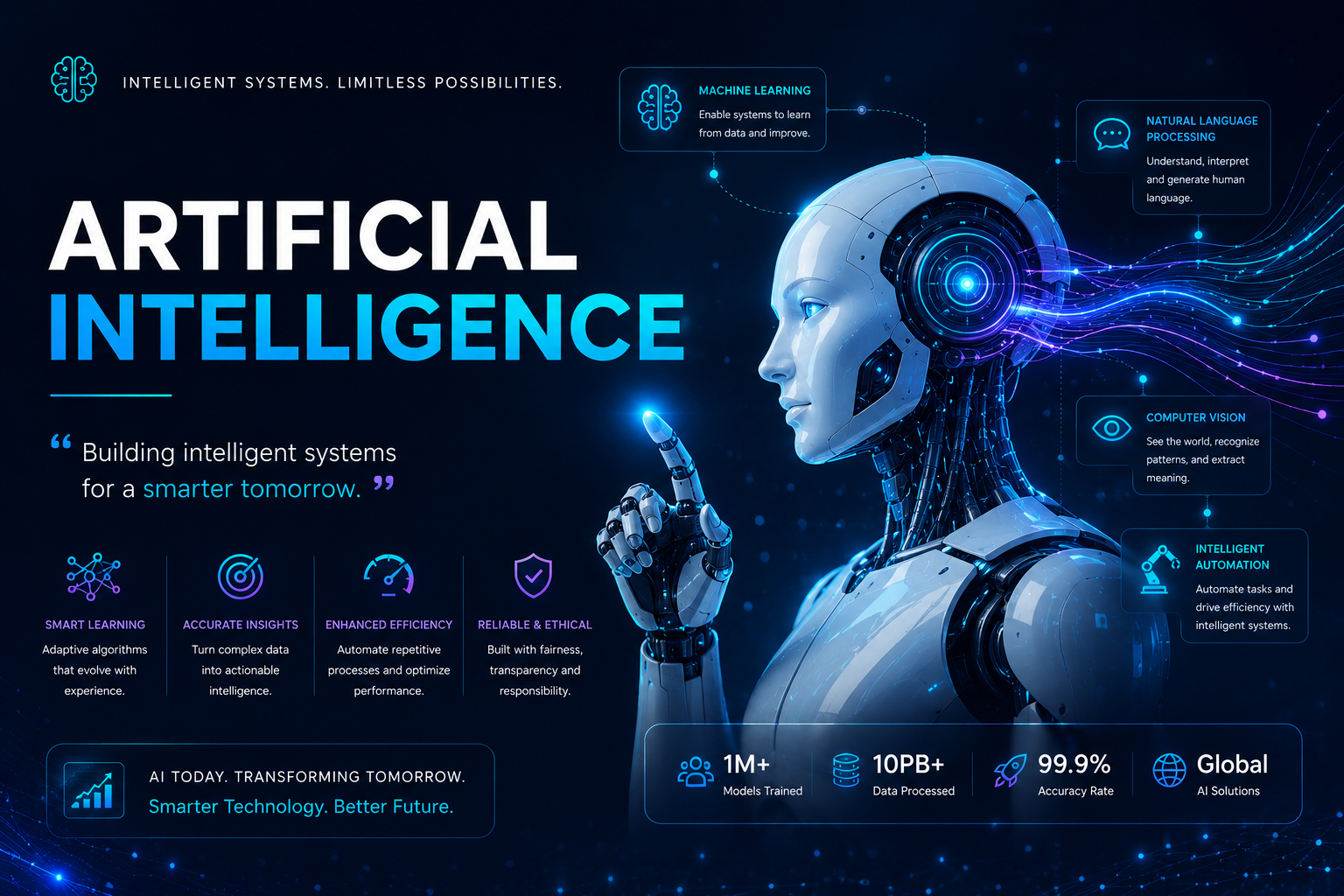
Neural networks, NLP, computer vision, and intelligent automation.
View Details →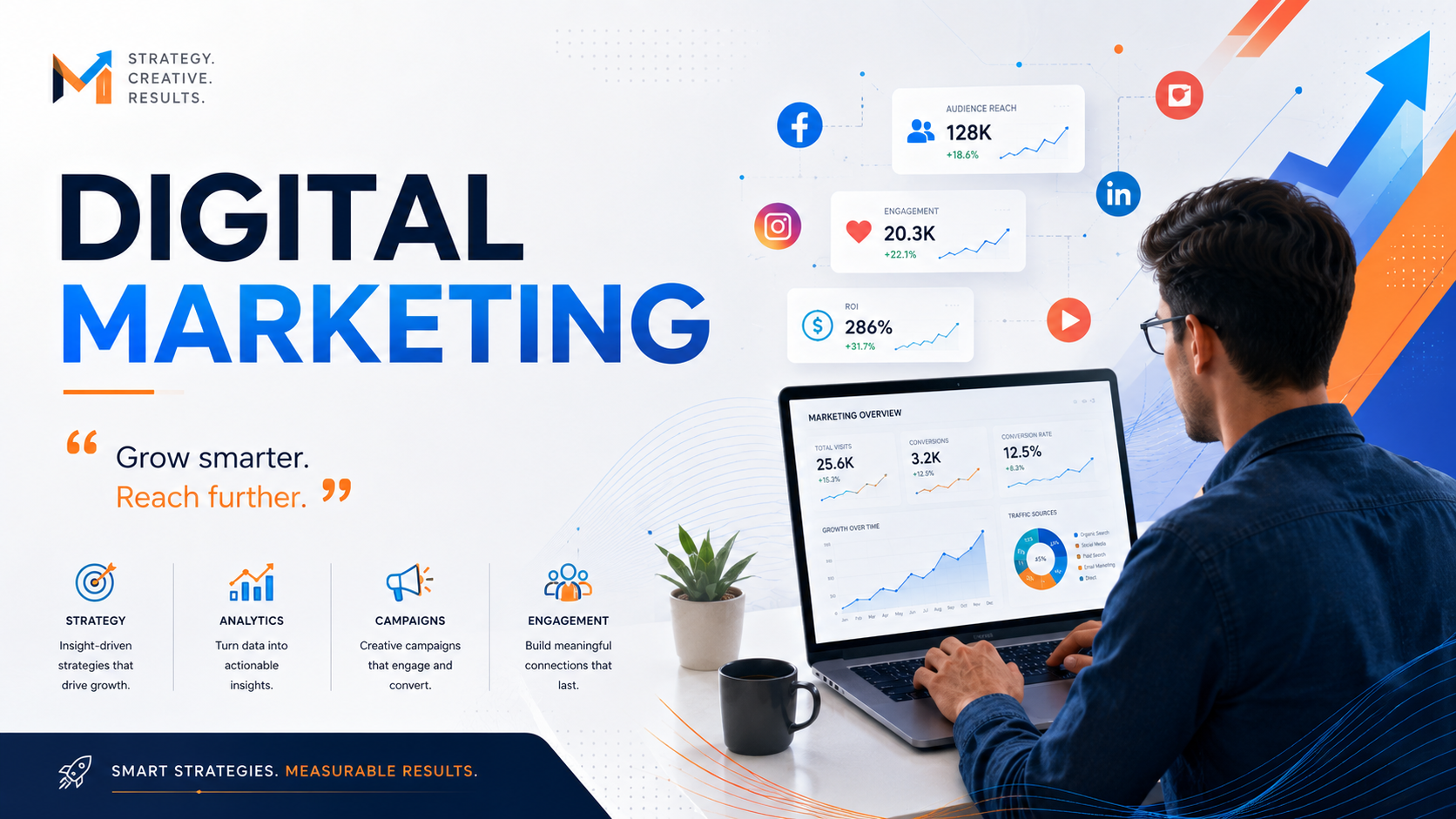
SEO, Google Ads, social media, content strategy, and AI-powered marketing.
View Details →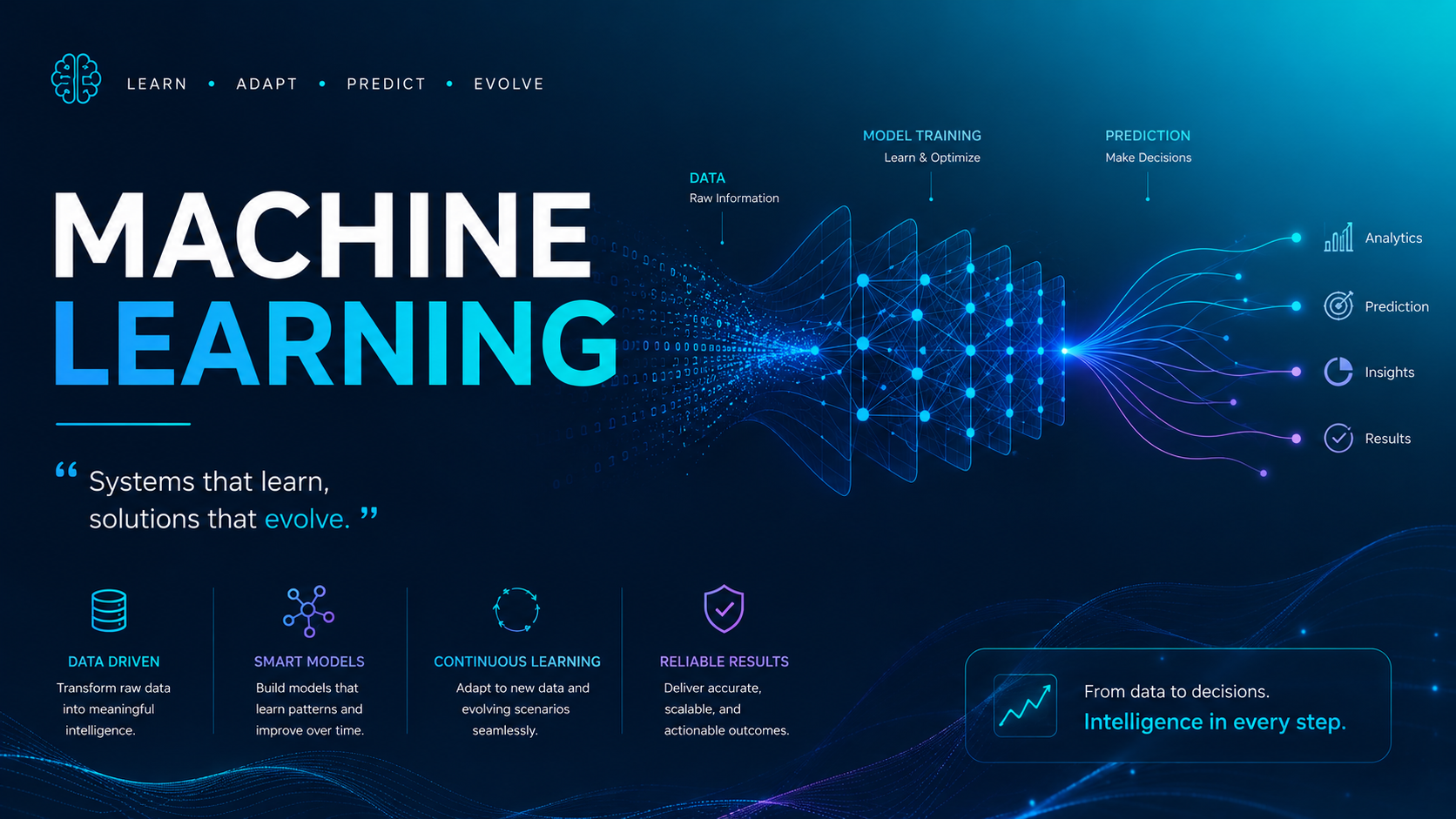
Regression, classification, deep learning, and production-ready ML models.
View Details →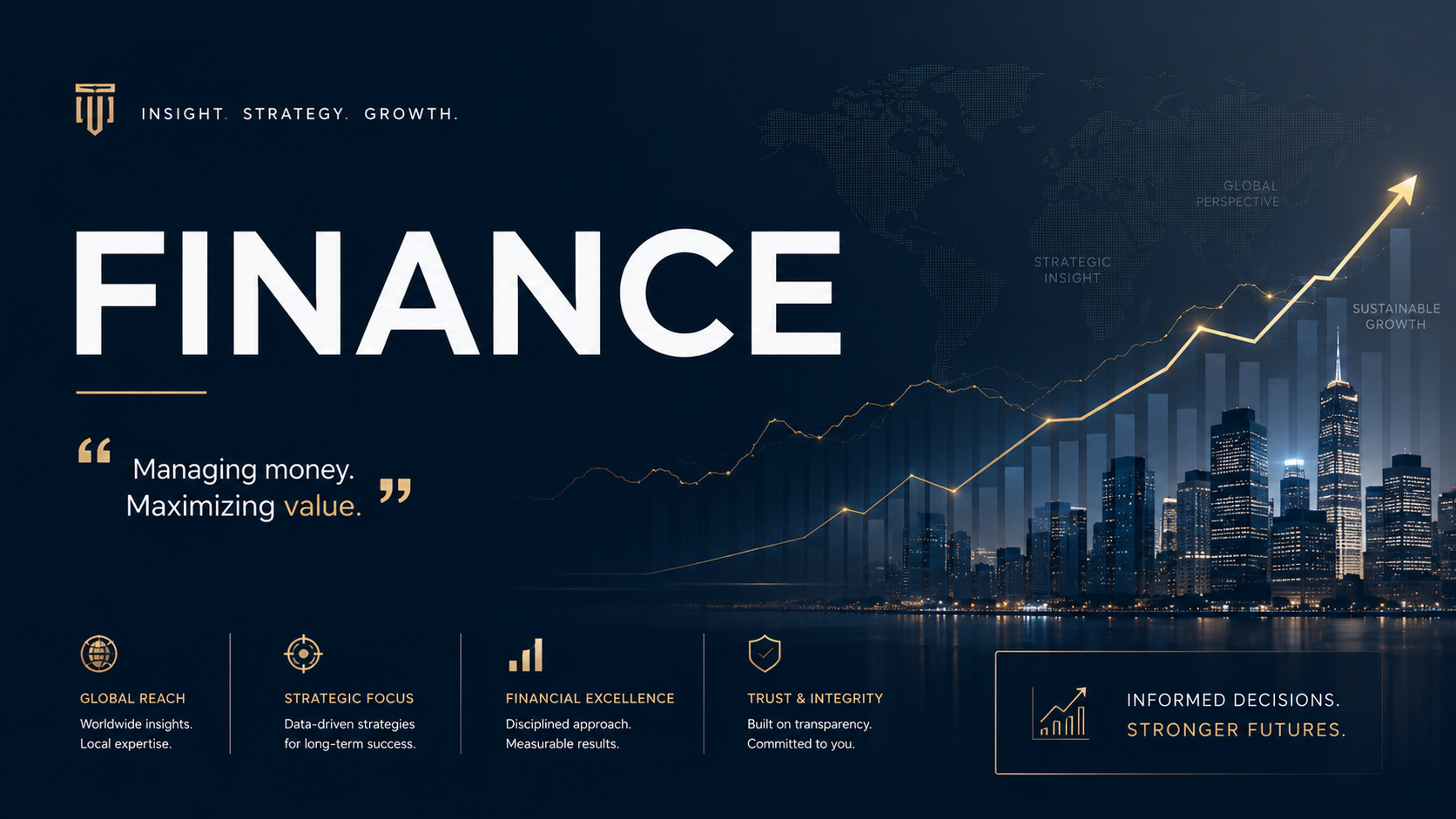
Financial analysis, accounting, investment management, and corporate finance.
View Details →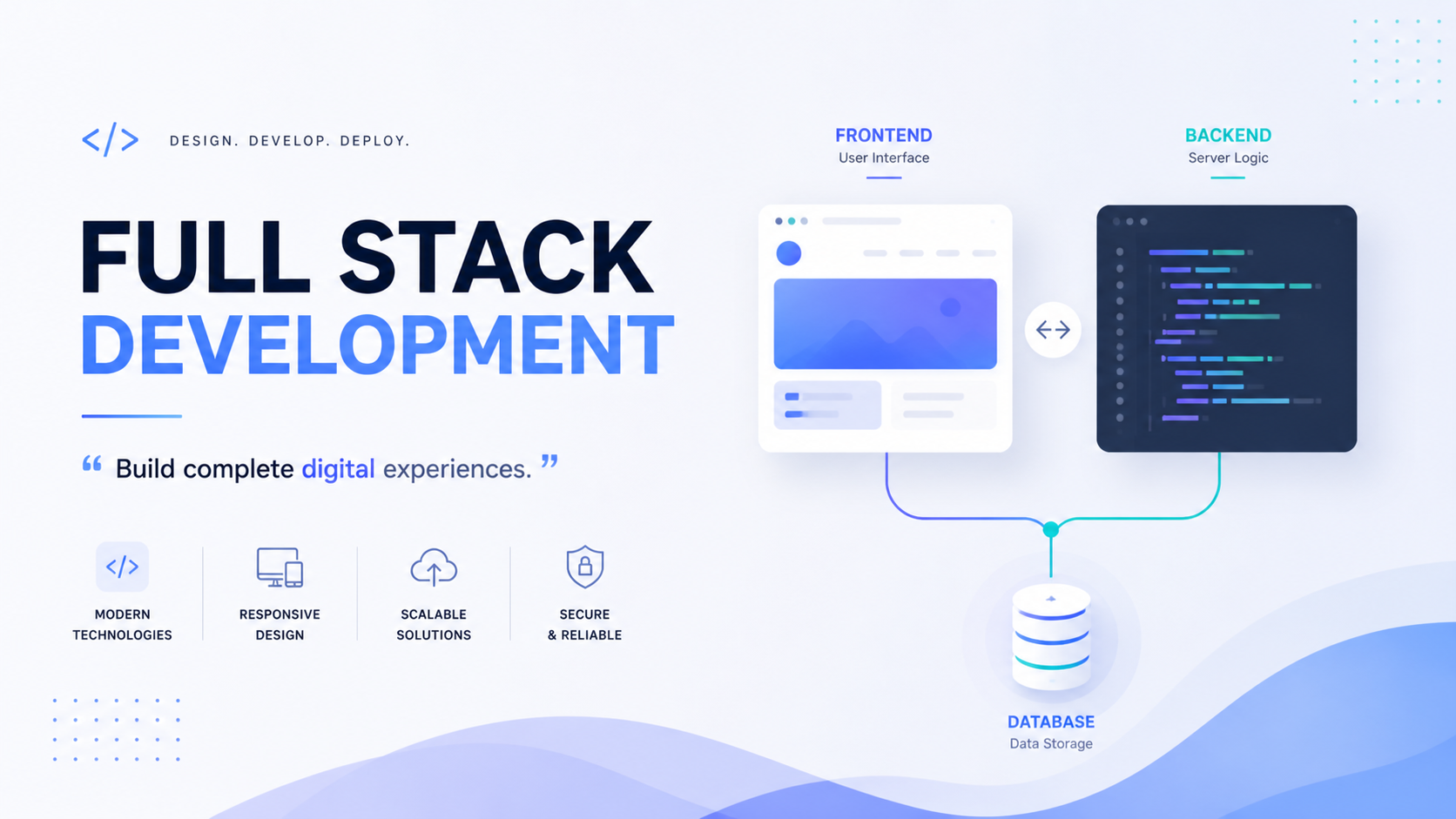
React, Node.js, databases, APIs, deployment, and DevOps practices.
View Details →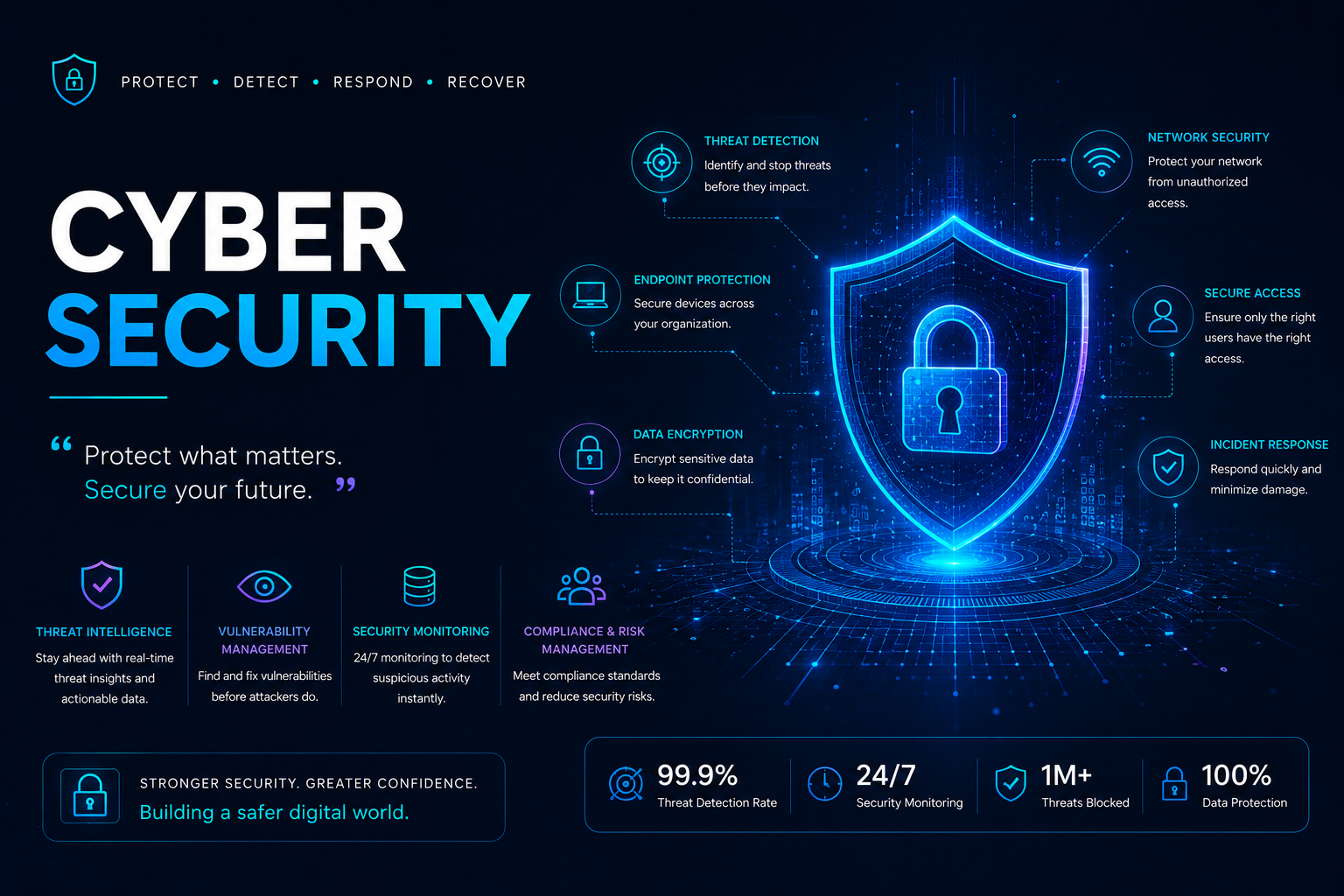
Ethical hacking, penetration testing, network security, and incident response.
View Details →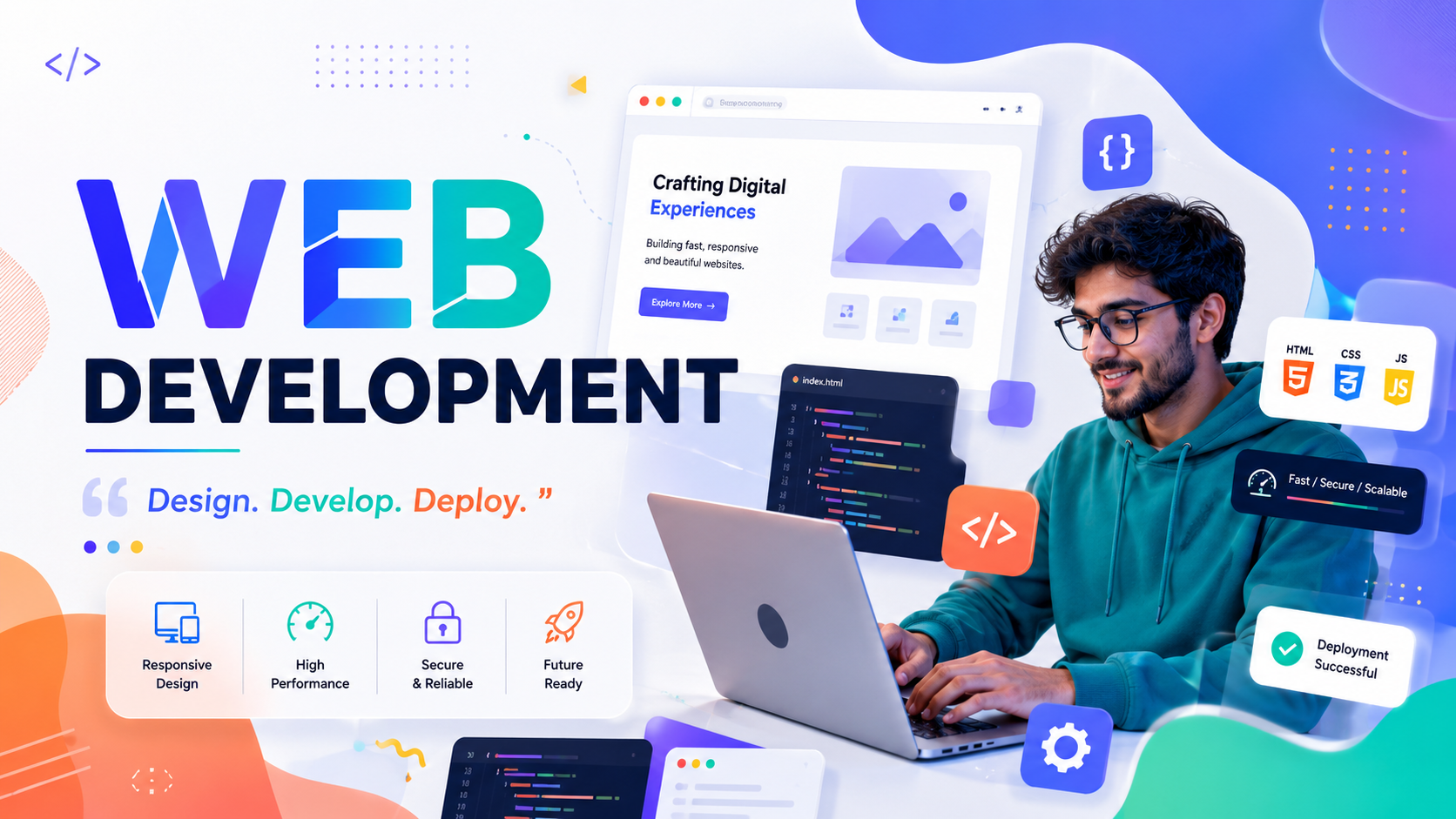
HTML5, CSS3, JavaScript, React/Vue, responsive design, and deployment.
View Details →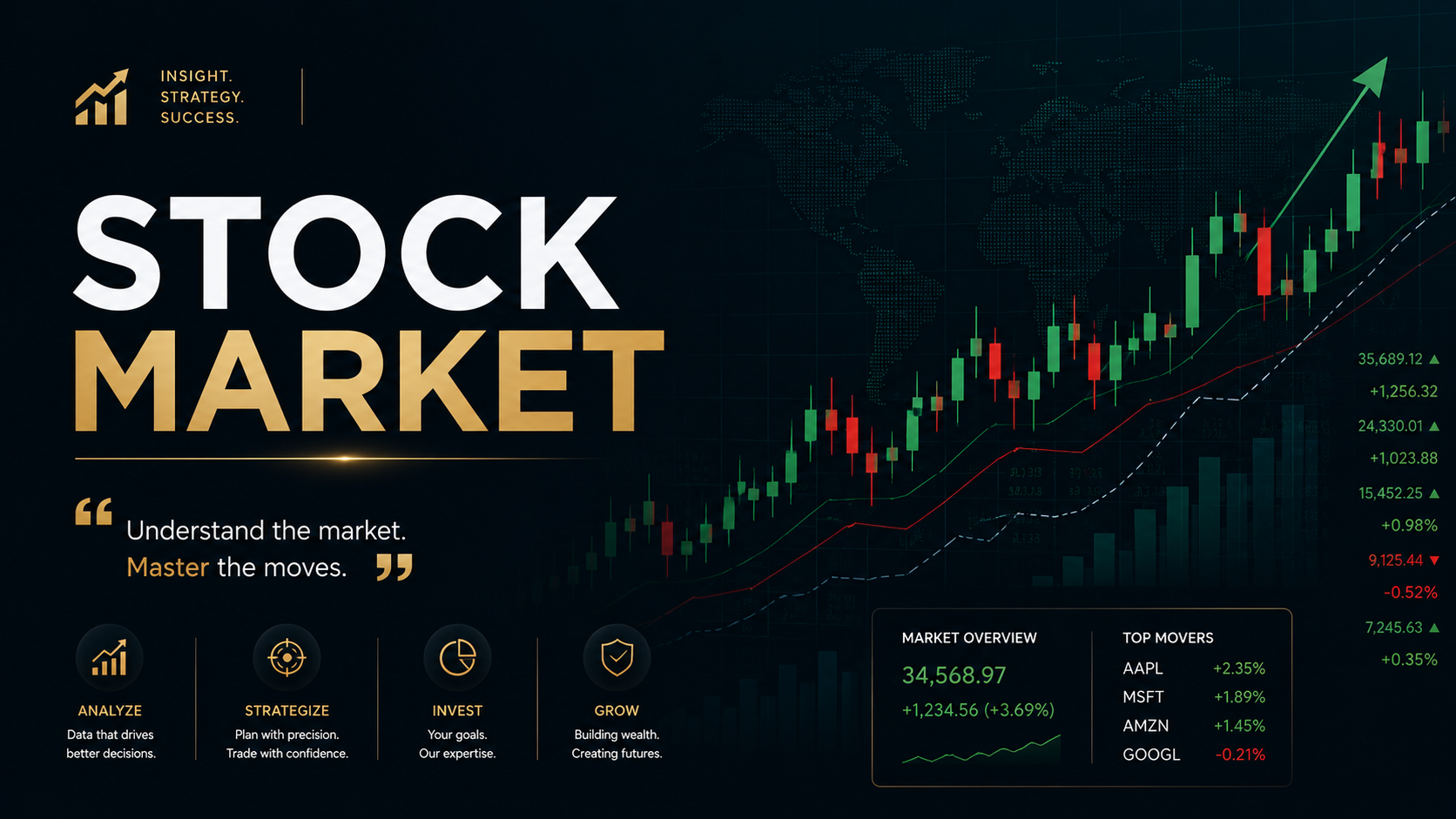
Technical & fundamental analysis, trading strategies, and portfolio management.
View Details →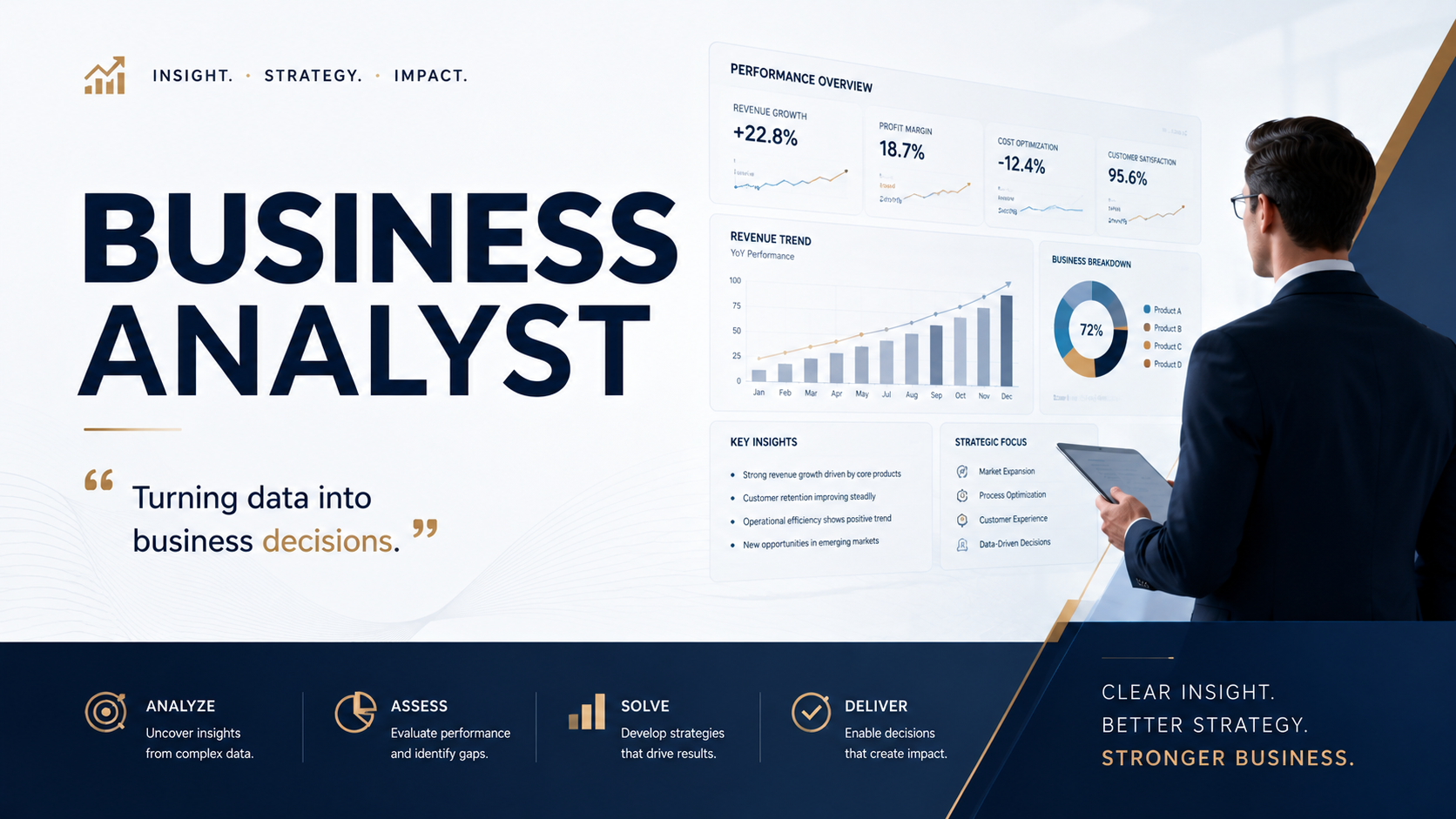
Requirements gathering, process modeling, data analytics, and stakeholder management.
View Details →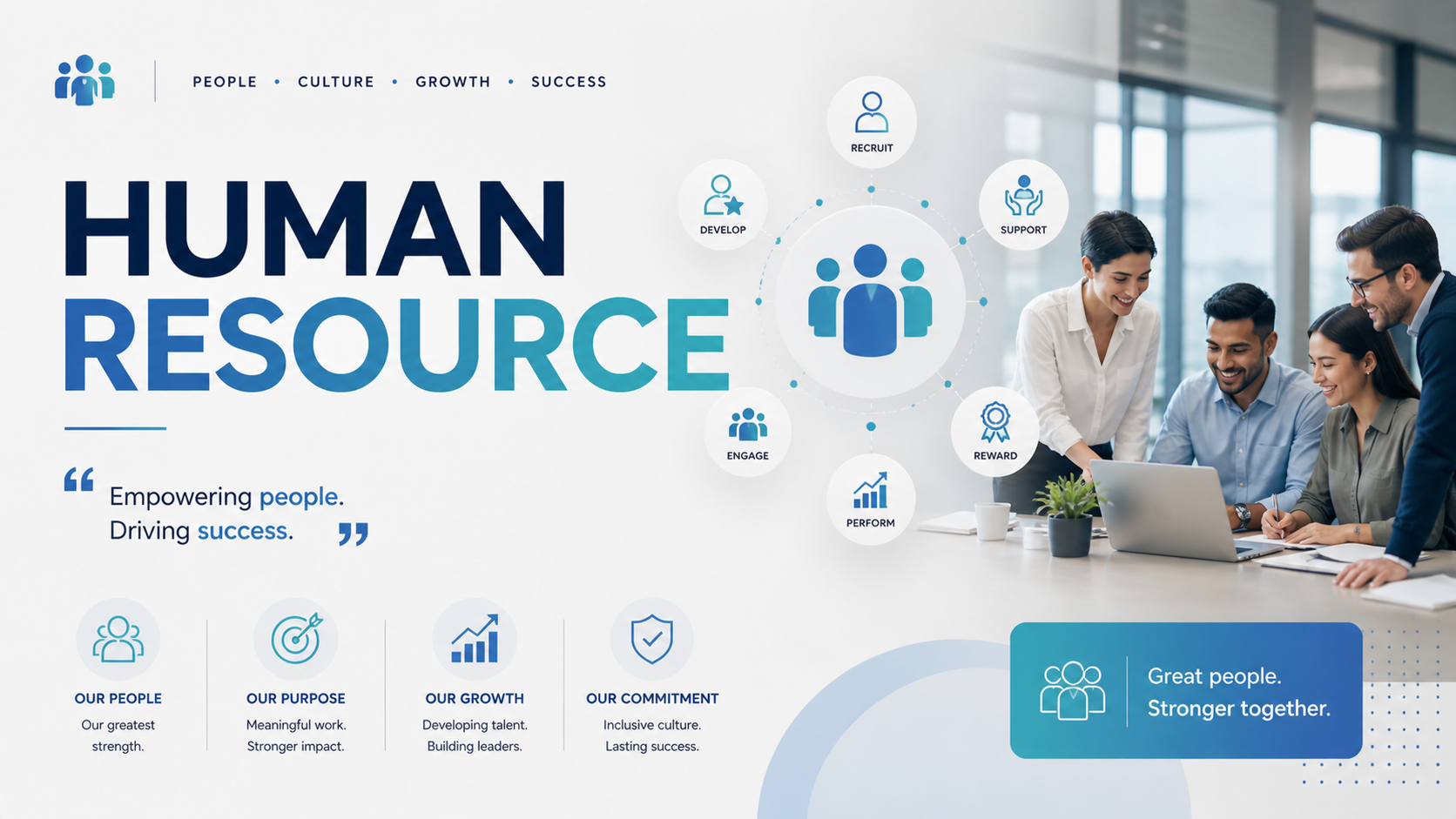
Talent acquisition, payroll, performance management, and HR analytics.
View Details →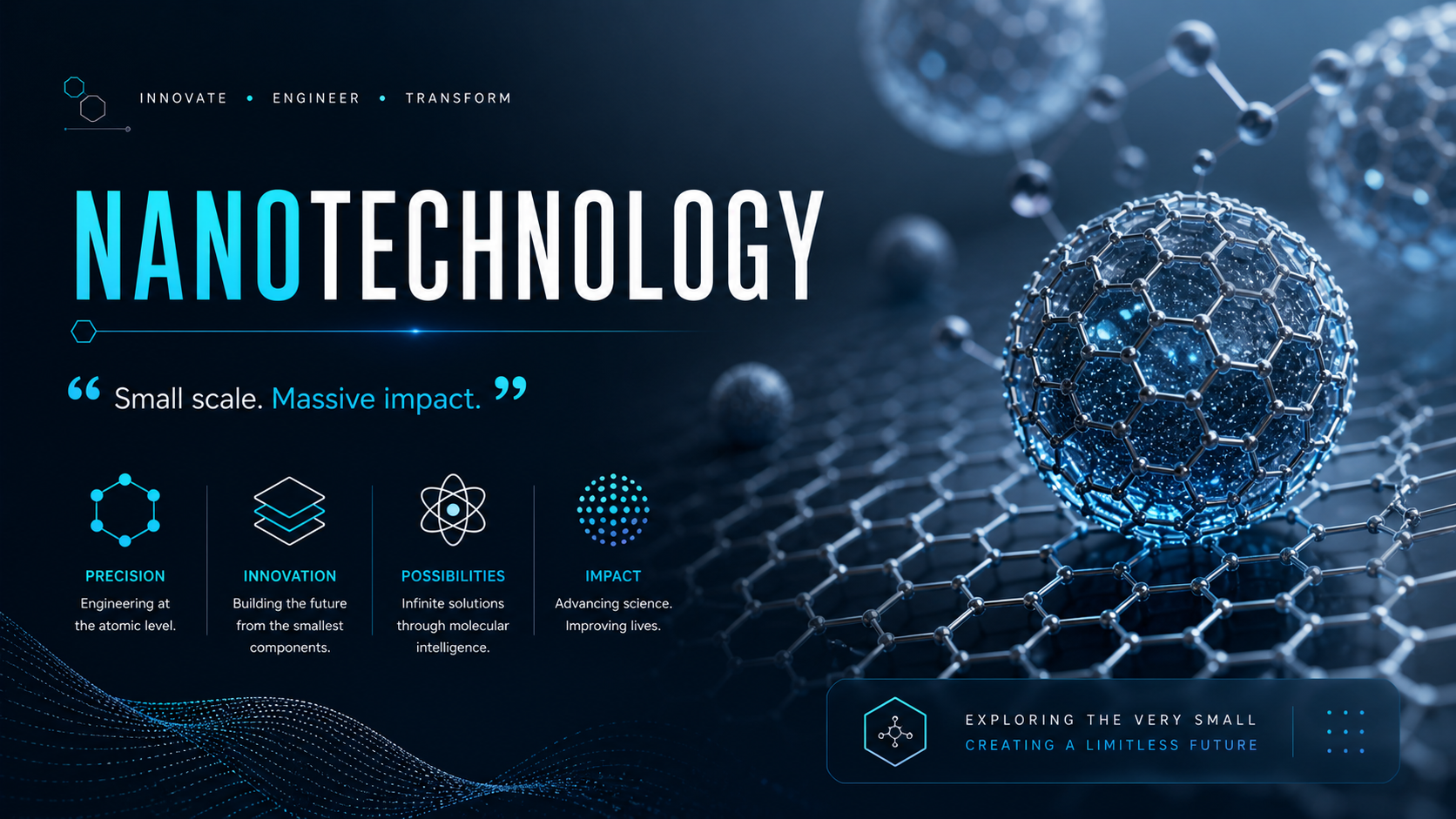
Nanomaterials synthesis, characterization, and applications in medicine & energy.
View Details →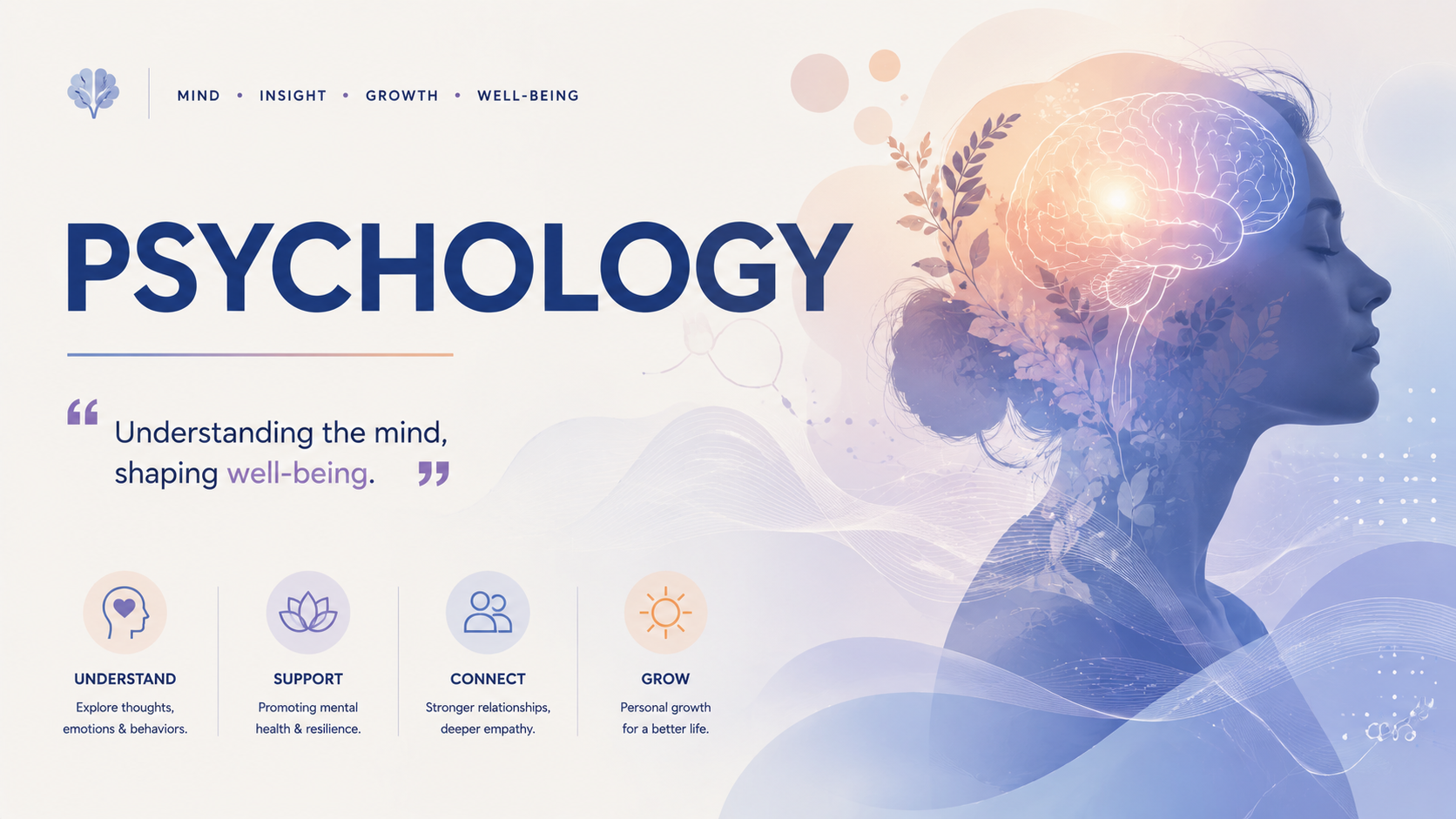
Clinical psychology, counseling techniques, CBT, and mental health awareness.
View Details →




A proven 5-step journey from enrollment to your dream job
Sign up, choose your program, and get matched with a career counselor.
Attend live sessions, interactive Q&A with mentors, and hands-on labs.
Gain real-world experience through industry internships.
Mock interviews, resume reviews, and LinkedIn optimization.
Get job assistance, attend hiring drives, and land your dream role.
Industry professionals who guide your learning journey

Thanks to their efforts, I went from a fresher to a ₹12 LPA package at a top MNC within 4 months! The entire experience — live sessions, mock interviews, and resume building — was world-class.

As a non-tech background student, I was skeptical. But the hands-on projects and mentor support helped me crack interviews at 3 top companies! I'm now working as a Data Analyst at Deloitte.

The Full Stack bootcamp and mock interviews made all the difference. The mentors were incredibly supportive and the curriculum was industry-ready. Highly recommended for anyone serious about a tech career.

I enrolled in the Digital Marketing course not expecting much, but the depth of training blew me away. The live projects, SEO practicals, and Google Ads campaigns gave me real confidence. Got placed within 2 months of completing the course!

The Cyber Security program was phenomenal. Ethical hacking labs, real CTF challenges, and industry mentors made all the difference. The placement team connected me with top companies and I landed my dream role!

Coming from a non-CS background, I was nervous about AI/ML. But the structured curriculum and patient mentors made complex topics simple. Built 4 projects for my portfolio and got noticed by recruiters on LinkedIn!
 Razorpay
Select to complete your secure payment

Artificial Intelligence is no longer a futuristic concept — it is actively transforming industries, from healthcare to finance. Discover how …

The digital marketing landscape evolves rapidly. From SEO to social media analytics, learn which skills are most in-demand by employers …

Feeling overwhelmed by the number of technologies to learn? This step-by-step roadmap breaks down the Full Stack Developer journey into …